

Written By: Rutuja Karande
Series review
An evaluation of a TV show or online series that helps viewers make a viewing decision is called a series review. It usually starts with background information and ends with a storyline synopsis that doesn’t reveal too much. In order to assess how well the tale is told, the review examines themes, directing, acting, cinematography, and character development. Important elements that emphasize the series’ advantages and disadvantages include music, setting, production design, pace, and storyline. Lastly, a summary of the review and a suggestion are provided in the ultimate conclusion. A well-written review offers perceptive analysis, which makes it beneficial for both new viewers and series veterans.
Purpose
A review’s objective is to offer a critical and well-informed commentary to assist viewers in making a watching decision. The narrative, directing, acting, themes, and technical elements such as production design, music, and cinematography are all assessed in a review. It provides a dispassionate assessment of the series’ quality by highlighting both its positive and negative aspects. A review can also assist viewers understand the subtleties of the show by offering more in-depth analysis of its themes, social setting, and artistic decisions. Additionally, it encourages audience participation and evaluation of the material by promoting dialogue. The ultimate objective is to provide viewers with guidance, honour excellent programs, and identify areas for production and storyline enhancement.
Where to watch: Netflix Length: 16 episodes
Language: Korean original (Hindi dubbed available)
Details and Cast
- Genre: Romance, Slice-of-life
- Written by: Lim Sang-choon
- Directed by: Kim Won-seok
- Starring: IU, Park Bo-gum, Moon So-ri, Park Hae-joon
- Music by: Studio Curiosity [1]
- Country of origin: South Korea
- Original languages: Korean, Jeju Language
- No. of episodes: 16
- Production:
- Running time: 49–85 minutes
- Production companies: Pan Entertainment, Baram Pictures
- Budget: ₩60 billion
- Original release Network: Netflix
- Release: March 7 – March 28, 2025
Review of “When Life Gives You Tangerines”
The touching South Korean drama “When Life Gives You Tangerines” transports viewers on a ten-year emotional journey. The story, which has its roots on the charming island of Jeju, is about love, tenacity, and the unsaid sacrifices made by a generation that laid the groundwork for contemporary Korea. The drama evokes a bygone period while striking a deep chord with modern audiences because of its outstanding performances, careful directing, and engrossing location. Life’s lessons with heart wrenching twists and turns mentioning all the ups and downs of life portrayed very well. No fancy main lead, lack of money, daily life struggles even showing the soft-hearted man as main lead who has sacrificed his dreams and dedicated all his life since childhood to his wife. It also showcases the real definition of true love, companionship meaning living for someone whom we truly love and admire. It also shows various dimensions of each and every relationship in our life. The simple as well as complex nature of relationship which is difficult to handle. In the world of situationships, benching, breadcrumbing it is the best example of “if he wanted he would.” The exact meaning of life making justice to its title it shows what life is when it gives you tangerines (lemons). It shows what actual life is without fancy luxuries, royalty, excess money, big cars, designer clothes, hotel food and big bungalows. All these small details make it closer to every person’s heart increasing the relatability. It has shown selling their land, house for their child’s education which is a typical middle-class thing that parents often think of and do if necessary for the future of the child.
Purpose and Themes
Through Ae-sun, the protagonist, the play seeks to vividly depict life’s struggles and victories. It centres on issues like unmet expectations, intergenerational conflict, and the silent power of love. The series is fundamentally an homage to those who experienced Korea’s post-war period, particularly the women who carried the burden of their families’ future.
Plot Summary
The protagonist of the tale is Ae-sun, a fierce and independent lady who grew up in a little Jeju Island coastal community. She loses her mother, a dedicated haenyeo (female diver), when she is a small girl, and finds comfort in her relationship with Gwan-sik, a quiet but trustworthy young man. Their connection goes through several phases throughout the years, including friendship, unspoken love, and an enduring love put to the test by life’s unforeseen turns. Their journey through Korea’s political and economic upheavals is masterfully captured in the drama, which also shows how social and personal developments are intertwined. Their generational journey starting from them running away from home for their life while being madly in love, as beginning their life with only a suitcase in hand to buying their own house, buying a boat Gwan-sik becoming a captain to having their three children, living with two raising them, losing a child in the typhoon. Then eventually raising, marrying their children, playing with their grandchildren, raising them they have shown generations life of Ae-sun right from her mother, her struggles and teaching her grand-daughter to value her mother. The word with which the series begins is “maa” meaning mother and Ae-sun calling out for her mother in front of the vast ocean while crying her heart out remembering her mother till her last breath. It is relatable to every individual who has been a daughter, wife, mother and a grand-mother.
Direction and Cinematic Brilliance
The series features the same delicate touch from Kim Won-seok, who is renowned for his subtle storytelling in dramas like My Mister. With lingering shots, poignant silences, and realistic acting, his directing emphasizes emotions while letting the story flow. With its breathtaking shots of Jeju’s coastline, busy marketplaces, and cozy interior settings, the cinematography is an essential component of the series’ nostalgic appeal.
Era, Social Context, Dress
The show is set in Korea in the middle to late 20th century, with a primary focus on the 1960s and 1970s, a time of significant social and economic change. Rural towns like Jeju Island were still dealing with poverty, gender inequality, and restricted possibilities during this period of South Korea’s post-Korean War recovery. The post-war hardships, working-class sacrifices, and ingrained customs that influenced the lives of common people are all masterfully shown in the play. The limitations imposed on women—their lack of access to education, social pressure to fit into preconceived notions, and the assumption that they put their families before their own aspirations—are particularly evident in Ae-sun’s experience. Younger generations strive for new prospects while older generations are constrained by the past, highlighting the stark difference between modernity and tradition.
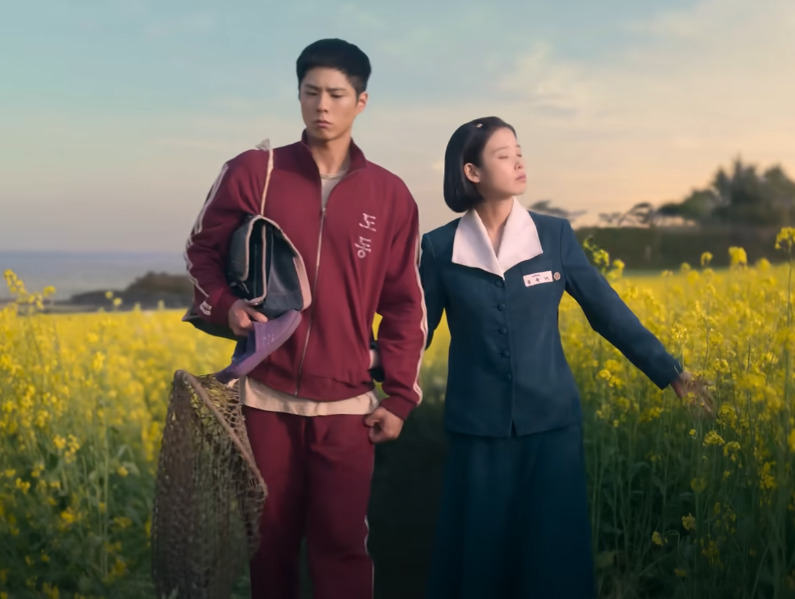
A key component of the series’ realism is its attire and style. The characters’ attire is a reflection of their occupation, social standing, and the modest fashion trends of the time. As a young lady, Ae-sun frequently wears modest cotton gowns in subdued hues or basic hanboks, which are traditional Korean clothing, symbolizing her lowly origins. Her attire changes to more functional workwear as she gets older, reflecting the reality of being Haenyeo’s daughter. The distinctive black rubber diving outfits with weighted belts and helmets used by the Haenyeo divers, including Ae-sun’s mother, highlight the women’s tenacity and hard effort. Men like Gwan-sik, on the other hand, typically wear work jackets, traditional pants (baji), and loose-fitting shirts to reflect their working-class way of life. The clothing’s color scheme, which emphasizes earthy, neutral hues like browns, beiges, gentle blues, and faded whites, adds to the period’s realistic and nostalgic vibe.
The audience is transported to a time when fashion was more about survival, usefulness, and social identity than it was about trends thanks to the historical authenticity of the costumes, haircuts, and accessories. The series’ straightforward, understated style wonderfully reflects the intensely emotional plot by giving each visual component a genuine, unvarnished vibe.
Location, Colour Themes and Graphics
The series is set against the stunning background of Jeju Island, which is well-known for its profound cultural past, expansive tangerine orchards, and rocky coasts. The story’s emotional depth is increased by the realistic and engrossing atmosphere created by the rural fishing communities, rocky coastlines, and verdant meadows. With a palette dominated by warm oranges, deep blues, subdued browns, and fading pastels, the color themes are gentle, earthy, and nostalgic, reflecting the simplicity of living in that time period. The images frequently alternate between bright golden tones to depict warmth and affection and drab, desaturated tones to depict adversity and emotional upheaval.
Performances and Character Portrayals
IU and Moon So-ri depicts Ae-sun’s development from a lively young lady to a thoughtful elder adult with ease. Park Bo-gum portrays Gwan-sik in one of his most mature roles, exhibiting unwavering devotion and silent perseverance. Their trip is made all the more heartbreaking by the subtle yet profoundly emotional connection between the leads. By illustrating the social and family aspects of the era, the supporting cast also contributes depth. The character for Ae-sun’s mother portrayed by Yeom Hye-ran created a deep impact on viewers mind with her powerful acting skills. She was remarkable as a mother who struggled till her last breath for giving justice to her daughter even when she was deprived from becoming class president due to being poor.
Music and Aesthetics
The background soundtrack of the series, which combines folk-inspired songs with gentle instrumentals, flawlessly reflects its emotional depth. Important moments are elevated by the music, which greatly increases the impact of even the quietest scenes or basic conversations. With traditional attire, humble house settings, and carefully chosen colour palettes that mirror the characters’ emotional landscapes, the production design and costumes faithfully portray 1960s Jeju.
Creative Elements and Symbolism
The drama’s use of symbolism—tangerines, the island’s primary fruit, are a metaphor for life’s bittersweet experiences—is one of its most notable features. Additionally, the series gently challenges social conventions, especially those pertaining to women’s duties and expectations in traditional Korean culture. Those are also relatable to Indian culture and fit perfectly challenging the universal patriarchal context and background. The phrase of Gwan-sik’s mother literally turns true “accha hua maine kutta paal liya hai!!” meaning that instead of a son who has dedicated his life to his wife- she used to insist that I should have raised dogs instead of a son like this! And at the end of the series, she literally raises a dog!
Also, another dialogue of Gwan-sik where during his family fight Gwan-sik mother cries about her son not taking her side or supporting where he promptly replies that “your husband should take your side.”
Poems and Ae-sun
When Life Gives You Tangerines uses poetry extensively to enhance Ae-sun’s character and incorporate feelings into the story. One of the series’ most captivating elements is her passion for poetry, which expresses her desire for independence, suppressed feelings, and subdued resistance to the limitations of her era. Verse appears as times of reflection, desire, and even unfulfilled love throughout the play. She has been interested in writing poems since her childhood. Her first poem was shown about her mother catching abalones and ignoring her own daughter. Her other poems are written about MFL, My first love (her lover and husband), her son, the weather and ups and downs of life. Eventually she is also shown publishing her poems with the help of a publisher.
Memorable Dialogues and Comedic Relief
The series is full of humorous moments despite its gloomy overtones, especially because of Ae-sun’s witty repartee. Her exchanges with Gwan-sik, whose reserved manner frequently contrasted humorously with her fiery nature, providing some of the most memorable lines. Their connection gains warmth and relatability as a result of these interactions.
Family Dynamics
In When Life Gives You Tangerines, family is crucial in influencing the decisions, hardships, and feelings of the protagonists. The ties between parents and children, the sacrifices made for loved ones, and the unsaid conflicts that exist inside families are all expertly explored in this series. Ae-sun and her mother, a haenyeo (female diver), had a relationship marked by deep-seated tension and calm affection. Her mother is a symbol of the conventional assumptions that women should put their families above their own goals, work hard, and put up with hardship. Conversely, Ae-sun is vivacious, disobedient, and longs for a life outside of the ocean. Despite the emotional distance this causes, their unshakable bond—which is based on unspoken understanding and sacrifices—remains intact.
Family responsibilities and individual preferences are also reflected in the interaction between Ae-sun and Gwan-sik. Despite having a profound love for Ae-sun, Gwan-sik never puts pressure on her and quietly helps her get through difficult times. He plays a protective yet aloof role in her life, representing the silent tenacity of love in conventional family units. Ae-sun’s connection with her obstinate son reflects her own history as she ages. She now struggles with a kid who defies her advice and pursues his own path, much as she did when she first disobeyed her mother’s desires. One of the most moving elements of the series is this generational cycle of love, disobedience, and ultimately understanding, which illustrates how family dynamics change over time.
The tight-knit rural community is also shown in the series as an extended family, with neighbors supporting one another while simultaneously upholding social norms. The story’s recurrent subject of striking a balance between personal goals and familial responsibilities makes it incredibly poignant and globally relevant.
Opinion
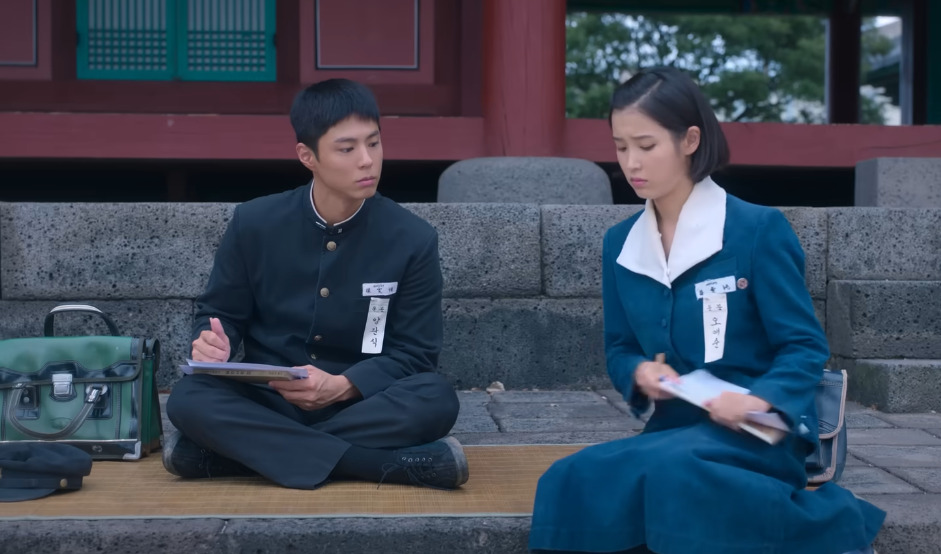
“When Life Gives You Tangerines” is a delicately crafted drama that lingers in the heart long after the final episode. Its slow-paced storytelling may not appeal to all viewers, but those who appreciate character-driven narratives will find it deeply rewarding. The series is a testament to the beauty of ordinary lives, the power of enduring love, and the quiet sacrifices that shape generations. This drama is not just a love story—it is a love letter to the past, a reflection on choices made and dreams lost, and a poignant reminder that life, much like tangerines, carries both sweetness and tartness in equal measure.
Critique
Despite being a masterfully written drama, When Life Gives You Tangerines has its share of problems. The idealized depiction of Gwan-sik—his unfailing patience, altruism, and devotion appear almost too beautiful to be true—is among the most obvious features. His character lacks the underlying problems that would give him greater credibility in a world where human interactions are defined by emotional complexity. Where in the real world are folks like Gwan-sik? Despite being lyrical, his quiet perseverance occasionally comes across as flat, which makes his persona predictable. Furthermore, the series moves slowly, which may seem excessively stretched to some viewers yet absorbing to others. Some episodes focus too much on routine exchanges, which occasionally makes the narrative seem uninteresting.
Furthermore, while being powerful and self-reliant, Ae-sun’s character occasionally recurs in cycles of pushing Gwan-sik away and then bringing him back in, which may be annoying rather than emotionally engaging. Even while the photography is breathtaking, there are times when the excessive use of scenic shots and soft lighting puts aesthetics ahead of the plot. Additionally, the show makes extensive use of nostalgia, which, although useful, sometimes romanticizes the past without adequately addressing the more brutal realities of that time period. Although the difficulties of post-war Korea are evident, a deeper examination of the effects of social restrictions—particularly on women—could have been conducted. When life gives you tangerines is a visually stunning and emotionally complex series, but it would have been genuinely remarkable with a little more reality and character arc balance.
Conclusion
A profoundly poignant and strikingly beautiful play, When Life Gives You Tangerines masterfully conveys the bittersweetness of love, sacrifice, and time’s unavoidable passage. The Korean series transports viewers to a world where duty and dreams frequently clash with its moving narrative, likable characters, and stunning Jeju Island backdrop. The outstanding performances, particularly those of Ae-sun and Gwan-sik, give depth to a personal yet universal story. The rich cultural details, evocative photography, and beautiful dialogues make it a remarkable experience, even though the sluggish tempo and idealized characterizations may not be to everyone’s taste.
Women’s challenges, the weight of unsaid feelings, and the tenacity of love in a world that is changing quickly are all expertly portrayed in the series. It is a reflection of life’s ephemeral moments and the decisions that mould us, and its mix of poetry, nostalgic aesthetics, and skillfully constructed symbolism heightens the emotional effect. Even with small imperfections, When Life Gives You Tangerines is still a masterfully written drama that leaves a lasting impression on viewers.
References
1. https://www.ottplay.com/news/when-life-gives-you-tangerines-ending-explained-
what-happens-to-gwan-sik-and-ae-sun-in-the-last-episode/4ad8c0a5e1894
2. https://koreajoongangdaily.joins.com/news/2025-04-
02/entertainment/television/Netflix-hit-When-Life-Gives-You-Tangerines-ends-
4week-run-at-No-3-on-nonEnglish-show-list/2275828
3. https://www.ndtv.com/entertainment/when-life-gives-you-tangerines-review-iu-
and-park-bo-gum-k-drama-is-precisely-a-rare-treasure-4-5-stars-8051191
4. https://biz.chosun.com/en/en-
entertainment/2025/04/02/TT7LF5SGYVHDZCLHLDD4QVY2SE/
5. https://en.wikipedia.org/wiki/When_Life_Gives_You_Tangerines