
Reviewed by: Namrata Bose
Saiyaara (Hindi) (2025) – Not A Love Story, But Two Wounded Souls and One Path to Compassion
Last night while scrolling through OTT platforms, my partner stumbled upon Saiyaara and asked if I would like to watch it. He mentioned that he had heard good reviews. For me too, the film was not entirely unfamiliar. Among all the chatter, I clearly remembered one friend of my sister who had been so moved that she watched it twice in theatres and vowed to host a home screening with like-minded people, once it landed on OTT (just to engross in the emotions and cry together, again). That kind of feedback does not come lightly, and it somehow stayed with me. So when the opportunity came, I said “yes”.
Because Saiyaara is not a conventional love story. It is the story of two people. Vaani and Krish. They carry wounds too heavy to ignore. They slowly discover that compassion is not just about loving someone, but about learning to see the brokenness within and still choosing to stay.
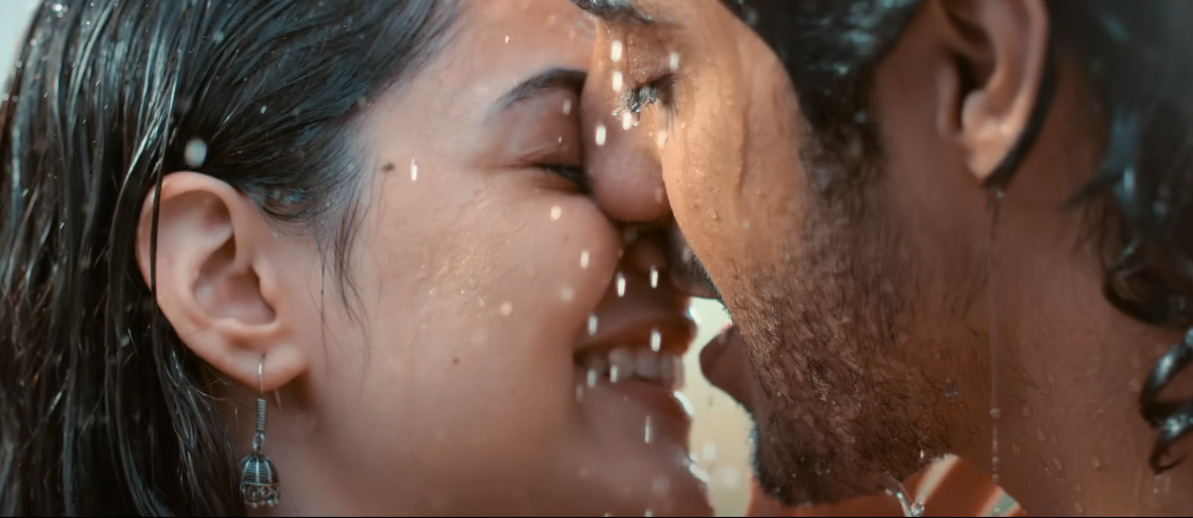
Vaani: Silence, Stigma, and the Weight of Illness
The film opens with Vaani, played by Aneet Padda, at the marriage registrar’s office, waiting for her fiancé, Mahesh. But Mahesh never comes. He abandons her, choosing someone else. The betrayal is crushing. Vaani faints and later retreats into silence and depression. For someone who once expressed herself through words, even her writing falls away. At first, it seems like hers is only the story of heartbreak. But then subtle signs begin to emerge like— forgetfulness, disorientation, lapses in memory. After several episodes, she is diagnosed with early-onset Alzheimer’s disease. Instead of sharing this, she chooses secrecy, convincing herself she is protecting her loved ones.
This silence is not just personal. It reflects something very common in our society. Illnesses of the brain and mind are often hidden, both from fear of stigma and from the myth that sparing others is strength. But silence becomes its own burden. As her illness worsens, Vaani faces moments of panic, public breakdowns, and painful disorientation. Alzheimer’s here is portrayed with honesty. It is not just memory loss, but the slow erosion of identity, dignity, and certainty in relationships.
Krish: Anger as Armor
In contrast, when Krish, played by Ahaan Panday, appears on screen, he is a man defined by aggression. He snaps at friends, pushes colleagues away, fights with strangers and seems perpetually angry. But beneath this anger lies a childhood scar. An alcoholic father. Growing up in such a home means unpredictability. Sometimes warmth, often neglect. Krish’s father, played by Varun Badola, was not drinking for joy but to drown his own grief of losing his wife. As a child, Krish could not see that. All he felt was abandonment. His father became the villain of his life, and Krish carried this bitterness into adulthood. His anger was not just temper. It was grief in disguise, worn like armor to keep the world at bay.
Two Wounded Souls Collide
The first real meeting between Krish and Vaani is anything but gentle. After returning her notebook, Krish explodes in a fight with a journalist who dismisses his role in the band, crediting only the privileged lead singer. Vaani, there for an interview, becomes an unexpected witness to his anger. The fallout drives Krish to leave the band, perform solo, and finally gain recognition. He even borrowed lyrics from Vaani’s notebook. Impressed by the singer and lyricist a renowned rapper offers him a collaboration, on the condition that Vaani writes his lyrics and receives social media visibility for her firm. But when they begin working, Vaani freezes. Her writer’s block, rooted in the trauma of her broken engagement, clashes with Krish’s impatience. When she finally shares her truth, he responds with an unexpected gesture. Taking her to a playground, playing cricket, and weaving life lessons into the game. In a symbolic sequence, his winning match blends into a roaring concert, sparking Vaani’s creativity once more. This moment plants the seed of their bond; not romance, but recognition. Krish’s restless energygives Vaani back her words, and Vaani’s emotions give Krish’s music its soul. Two broken people begin to walk together, not toward love, but toward compassion and survival.
The Father’s Truth and Krish’s Shift
Krish’s bitter contempt for his father defines much of his anger. To him, his father was only a drunk who abandoned responsibility. But the truth surfaces when he finally discovers that his drinking was less about weakness and more about drowning unhealed grief. For Krish, this changes everything. He begins to see not just a failed parent, but a broken man. This realization pushes Krish to act. He gives up his chase for fame and negotiates money from his collaborator to admit his father into rehabilitation. Later, when Vaani brings his father to one of his concerts, Krish’s joy is not from the roaring crowd but from seeing his father sober. The arc captures a difficult truth many children of alcoholics face. Forgiveness does not erase scars, but compassion and treatment can open a path to healing.
Living With Triggers, Finding Support
When Krish almost rose to fame, Vaani was diagnosed with Alzheimer’s disease. She chose not to share with anyone, in order to help her close ones from getting affected by her illness. As Vaani’s illness progresses, her small lapses, forgetting details, misplacing objects escalate into moments of panic, confusion, and even violent outbursts. Alzheimer’s here is not just memory loss — it is identity slipping away, leaving both her and those around her disoriented. The turning point comes when she confides in Krish. Instead of rejection, she finds acceptance. He stays, grounding her during confusion, using music to reconnect her with herself, and offering steady, patient presence.
The film emphasizes that treatment is not only medicine, but human connection. Vaani’s knowledge that she is not alone anchors her, while Krish’s support transforms his anger into purpose and empathy.

Creativity, Trauma, and Identity
Both Krish and Vaani’s struggles affect their creativity. For Krish, his rage blocks his artistic expression. For Vaani, Alzheimer’s threatens to erase her very sense of self. This is something we often see that trauma and illness do not just affect functioning, they shake the core of identity. Yet, creativity also becomes their bridge back to each other. Krish’s art and Vaani’s presence give meaning back to their fractured lives.
Final Reflection
Saiyaara does not offer easy solutions. Trauma is not magically healed. Alzheimer’s does not vanish. Addiction leaves scars. But what changes is how the characters learn to carry these realities. Krish moves from rage to empathy, learning to forgive and to love. Vaani moves from silence to acceptance, realizing that sharing her illness is not weakness but strength. The father is finally seen not as a villain, but as a flawed man carrying his own brokenness. The message is clear. Healing is not about erasing pain. It is about reshaping it with love, compassion, and human connection.
This film resonated because it reflects the real journeys people witness every day with families struggling with addiction, individuals hiding illnesses out of fear, and relationships tested by anger and memory loss. and yet, it also shows us that even in the face of suffering, love and support can restore dignity and hope.

 is not a love story but a moving journey of two wounded souls, battling Alzheimer’s, anger, and addiction with compassion.)