
Written By: Namrata Bose
Chitrangada (Bengali) (2012) – Held a Mirror to Gender, Desire, and the Human Mind
A Tribute
31st August 2025 marks the 62nd birth anniversary of Rituparno Ghosh, a filmmaker who
redefined Bengali cinema with courage, elegance, and honesty. They were not only a filmmaker but a trailblazer who dared to question conventions, celebrate difference, and give courage to those silenced by society.
This post is a small dedication to them through one of their most personal and unforgettable films, Chitrangada: The Crowning Wish. Through the movie, they reminded us that to live truthfully is the greatest act of art.
Introduction
There are films we watch, and then there are films that stay with us, whispering questions long after the screen has gone dark. Rituparno Ghosh’s Chitrangada: The Crowning Wish (2012) belongs to the latter category. It is not just a film; it feels like a confession, an intimate diary entry shared with the world.
What makes it unforgettable is the way Ghosh borrows the framework of Rabindranath
Tagore’s Chitrangada and turns it into a metaphor for their own life and struggles. This is a cinema that does not hide behind characters, it bares the soul.
The Power of Tagore’s Original
Tagore’s Chitrangada has always fascinated me for its courage. There was a princess,
Chitrangada who had been raised like a warrior – strong and fearless. But when she fell in love with Arjuna, the warrior and king, she wanted to be seen as feminine, as someone who could belong in his world. For a while, divine powers gave her that borrowed femininity. Yet, she later chose to reveal her true self: “I am Chitrangada, raised as a warrior. Accept me as I am.” Written more than a century ago, this was Tagore’s way of breaking free from rigid gender roles. He gave voice to the conflict between how society defines us and how we wish to define ourselves. Rituparno Ghosh takes this text and breathes new life into it. They do not retell it directly. Instead, they place it like a mirror inside their film – reflecting the struggles of Rudra, the choreographer they play themselves.
You can watch the movie here on JioHotstar.
Rudra’s Journey
Rudra is rehearsing Tagore’s Chitrangada for the stage when life begins to imitate art. Their
relationship with Partho, played by Jisshu Sengupta, a percussionist, is tender but complicated. Their wish to adopt a child brings Rudra face-to-face with society’s rigid definitions of family and gender. When Rudra considers gender reassignment surgery, it is not a superficial whim. It comes from a deep, painful space, one that questions whether changing the body might finally bring acceptance, whether love might become easier to hold onto. Watching these moments unfold feels heavy because beneath the conversations about surgery and adoption lies something universal – the human longing to be seen, loved, and accepted without conditions.
Mental Health and the Quiet Burden of Identity
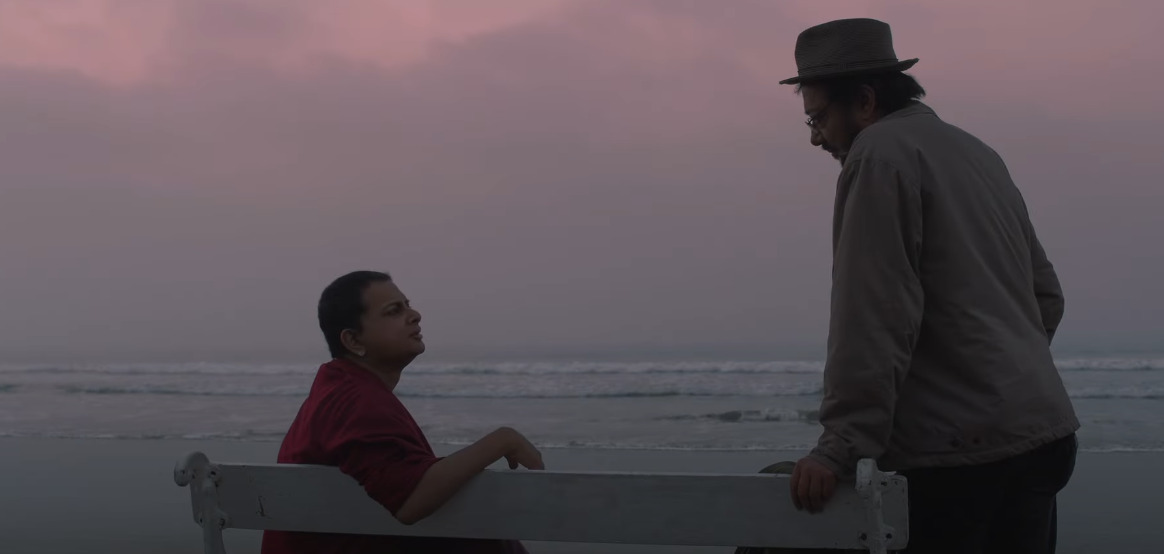
What struck me most while watching Ghosh’s Chitrangada was not just the gender debate, but the emotional toll it takes on the mind. Rudra’s silence, their hesitation, breakdowns — they carry the weight of so many unheard voices in our society. Mental health is not always about diagnosable illnesses. Sometimes it is about the slow erosion of self-worth when the world refuses to accept you as you are. The loneliness of living in a body that society constantly questions can break the strongest of spirits. Ghosh captures that loneliness without melodrama. They allow it to simmer making the audience feel its ache.
In this sense, Chitrangada is as much a film about mental health as it is about gender. It reminds us how damaging societal rigidity can be to the human psyche.
The Stage as a Metaphor
One of the most beautiful aspects of the film is how the stage and Rudra’s life bleed into one another. As the dancers rehearse Chitrangada, Rudra is rehearsing their own transformation. The lights, songs, movements etc. on stage reflects their inner turmoil.
It reminded me that identity itself is a performance of sorts. We are all, in some way, staging ourselves for the world, deciding which parts to reveal and which to hide.
For Rudra, this performance becomes unbearably heavy until they were forced to confront the truth of who they are.
Performances that Stay with You
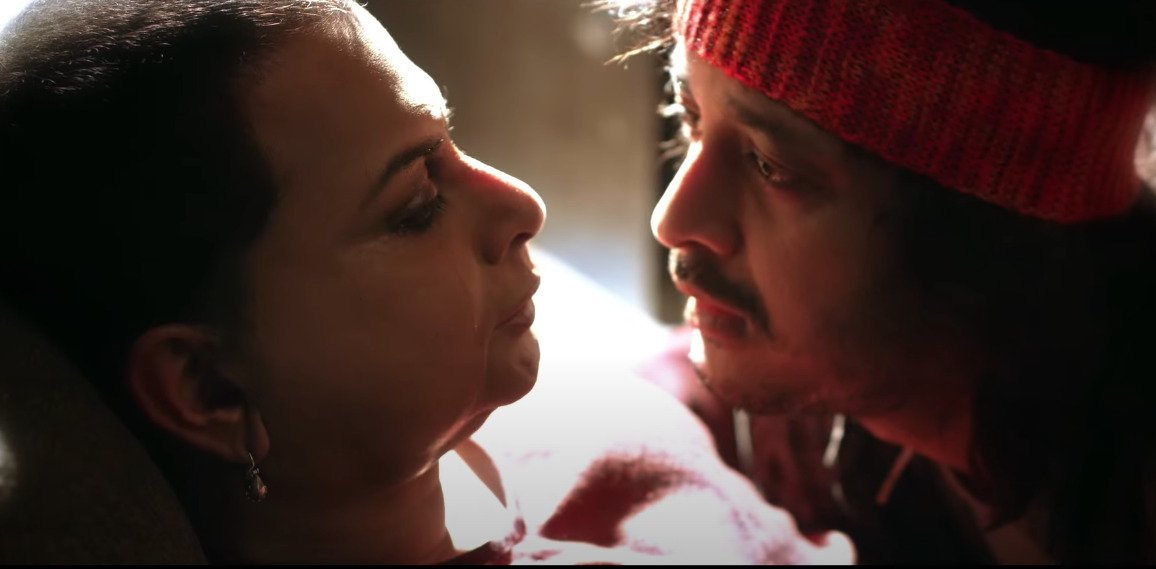
Ghosh’s performance as Rudra is unlike anything else. It does not feel like acting. It feels like watching someone live their truth in front of the camera. Their vulnerability, moments where their eyes brim with unshed tears, or where silence says more than words feels almost intrusive, as if we are being allowed into his private world. Jisshu Sengupta as Partho is gentle and grounding, playing off Ghosh’s intensity with quiet strength. The supporting cast, including Anjan Dutt, Dipankar De represent the voices of society — sometimes logical, sometimes harsh, and often judgmental. The cinematography captures the contrast between the stage and Rudra’s personal life beautifully. and the music, especially the Tagore songs woven in, gives the film a lyrical, haunting quality.
Why This Film Matters
Chitrangada is not an easy film to watch, but it is an important one. In a world where
conversations around gender and sexuality are still often hushed, Ghosh chose to speak loudly, not through speeches but through art. They showed us that identity is not a neat box, that love cannot always fit into legal frameworks, and that acceptance begins with the courage to declare: “Accept me as I am.”
For me, this film is not only about gender. It is about every person who has ever felt different, misunderstood, or pressured to change just to belong. It is about the mental scars that form when society refuses to listen. and it is also about the possibility of healing when one decides to live authentically.
Final Thoughts
When the credits roll on Chitrangada, it does not feel like just another film has ended. It feels like we have witnessed a life unfold on screen, Rituparno Ghosh’s own, in many ways. and perhaps that is what makes it so powerful. It blurs the line between art and artist, between theatre and reality, between Tagore’s Chitrangada and Rituparno’s Rudra. It is a reminder that cinema, at its best, is not just entertainment. It is a space for dialogue, for empathy, for courage. and in Chitrangada, Rituparno Ghosh gives us all three. A deeply humane, courageous, and poetic exploration of identity and the human mind, one that lingers long after the lights fade.
Note: The images are taken from YouTube and modified using AI tools like Canva, Grok, ChatGPT and Perpelxity AI.

, a lyrical film blending Tagore’s text with a personal journey of identity & acceptance.)